
Why Does My Jaw Click and Pop? Understanding TMJ Symptoms and Relief in Fayetteville, GA
Blog:Why Does My Jaw Click and Pop? Understanding TMJ Symptoms and Relief in Fayetteville, GA
Why Does My Jaw Click and Pop? Understanding TMJ Symptoms and Relief in Fayetteville, GA
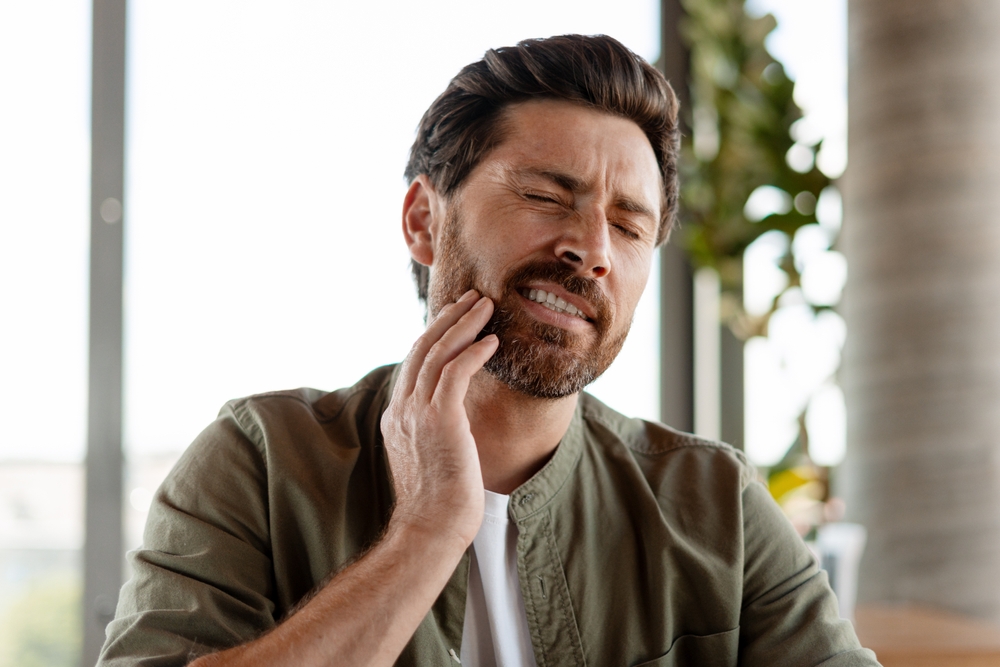
A clicking or popping jaw can be easy to ignore at first, especially if it does not hurt. But when jaw sounds come with soreness, tightness, headaches, or trouble chewing, they may be signs of a TMJ disorder. TMJ refers to the temporomandibular joint, which connects your jawbone to your skull and helps you open, close, speak, and chew comfortably. For patients in Fayetteville, GA, understanding TMJ symptoms early can help prevent jaw discomfort from becoming a daily frustration.
What Causes Jaw Clicking and Popping?
Jaw clicking and popping often happen when the jaw joint is not moving smoothly. In some cases, the small cushioning disc inside the joint may shift slightly as the jaw opens and closes. This can create a clicking, popping, or catching sensation.
Common causes of TMJ symptoms can include teeth grinding, jaw clenching, stress, bite imbalance, injury, arthritis, or frequent strain on the jaw muscles. Some patients notice symptoms more during busy or stressful seasons because they clench their jaw without realizing it.
Common TMJ Symptoms to Watch For
TMJ disorders can affect more than just the jaw. Because the joint, muscles, teeth, and surrounding nerves work closely together, symptoms can show up in different ways.
Signs of TMJ issues may include:
• Jaw clicking, popping, or grinding sounds
• Pain or tenderness near the jaw, ears, or temples
• Headaches or facial soreness
• Difficulty opening the mouth fully
• Jaw locking or catching
• Pain while chewing
• Tooth sensitivity from grinding or clenching
• Neck or shoulder tension
Not every jaw sound means something is wrong. However, if clicking is painful, worsening, or affecting how you eat and speak, it is time to schedule an evaluation.
How a Dentist Can Help with TMJ Relief
A dental exam can help identify whether your TMJ symptoms are related to your bite, tooth wear, grinding, or jaw muscle tension. Our dentists may check how your teeth come together, look for signs of enamel wear, evaluate jaw movement, and discuss when your symptoms happen most often.
TMJ relief depends on the cause. Some patients benefit from a custom nightguard to reduce the effects of grinding or clenching while they sleep. Others may need bite-related treatment, restorative care, or guidance on habits that place extra stress on the jaw.
Botox may also be recommended for patients whose TMJ discomfort is connected to overactive jaw muscles, clenching, or chronic tension. When carefully placed, Botox helps relax the muscles that contribute to jaw pain, tightness, headaches, and excessive pressure on the joint.
The goal is not just to quiet the clicking. It is to reduce strain on the joint, protect your teeth, and help your jaw function more comfortably.
When to Schedule a TMJ Evaluation
You should schedule a dental visit if your jaw clicking comes with pain, stiffness, headaches, worn teeth, or trouble chewing. Early care can help prevent additional stress on the teeth and jaw muscles. TMJ symptoms can also overlap with other dental concerns, so a professional evaluation is important. What feels like jaw pain may be connected to grinding, a bite issue, tooth sensitivity, or another oral health problem that needs attention.
Find TMJ Relief In Fayetteville, GA
If jaw clicking, popping, or discomfort is affecting your daily life, Dental Traditions can help you understand what may be causing your symptoms and what treatment options may support relief.
Schedule a TMJ evaluation with Dental Traditions to learn more about your treatment options. Visit our office in Fayetteville, Georgia, or call (770) 487-9797 to book an appointment today.
Quick Links
Helpful Articles
article_category: restorative
article_category: vision therapy
article_category: contact lenses
article_category: health
article_category: conditions
article_category: eye surgery co-management
article_category: exotic
article_category: cosmetic
article_category: products
article_category: psychiatry
article_category: faqs
article_category: cats
article_category: general
article_category: services
article_category: technology
article_category: dogs
article_category: surgical procedures
article_category: aesthetics
article_category: preventative
article_category: ocular disease management
article_category: eyeglasses
article_category: eye health
article_category: large animal
[]
article_category: vision therapy
article_category: contact lenses
article_category: health
article_category: conditions
article_category: eye surgery co-management
article_category: exotic
article_category: cosmetic
article_category: products
article_category: psychiatry
article_category: faqs
article_category: cats
article_category: general
article_category: services
article_category: technology
article_category: dogs
article_category: surgical procedures
article_category: aesthetics
article_category: preventative
article_category: ocular disease management
article_category: eyeglasses
article_category: eye health
article_category: large animal
[]
Flowbite is an open-source library of interactive components built on top of Tailwind CSS including buttons, dropdowns, modals, navbars, and more.
Check out this guide to learn how to get started and start developing websites even faster with components on top of Tailwind CSS.

All Dental Services
We offer a wide variety of dental services to the Fayetteville community. Contact us with any questions about our services.

Keep In Touch
For non-urgent questions or to learn more about our services, contact us today!

© 2026 Dental Traditions. All rights Reserved - Accessibility Statement - Privacy Policy - Sitemap
Managed and Designed by 